08/10/26
Building Assessment Certification

020 3637 7968
info@mihproperty.co.uk020 3637 7968
So, just where are the most desirable or in-demand places to live in London currently? And what is driving those choices?
In the last few years, the landscape has been shaped by particular forces: the cost of a home and the demand for homes in London are just two of those forces. The market is further affected by mortgage availability (or lack of it) and, more obliquely, by global economics, impacting on consumer confidence and the will to spend.
Cost – Demand – Financing – Global Uncertainty
Those are the obvious ones, but there are some other interesting forces at play too, which are moving the market in different directions – East, West and upwards. One such force is the Elizabeth Line, which, now in its 4th year, has opened new corridors of accommodation within reach of the big city.
With the Elizabeth Line now fully embedded into the Greater London commuter culture, the outer suburbs have been experiencing a revolution. Now that several years have elapsed since the ‘purple line’ opened its doors, it is clear to see the impact of this major investment.
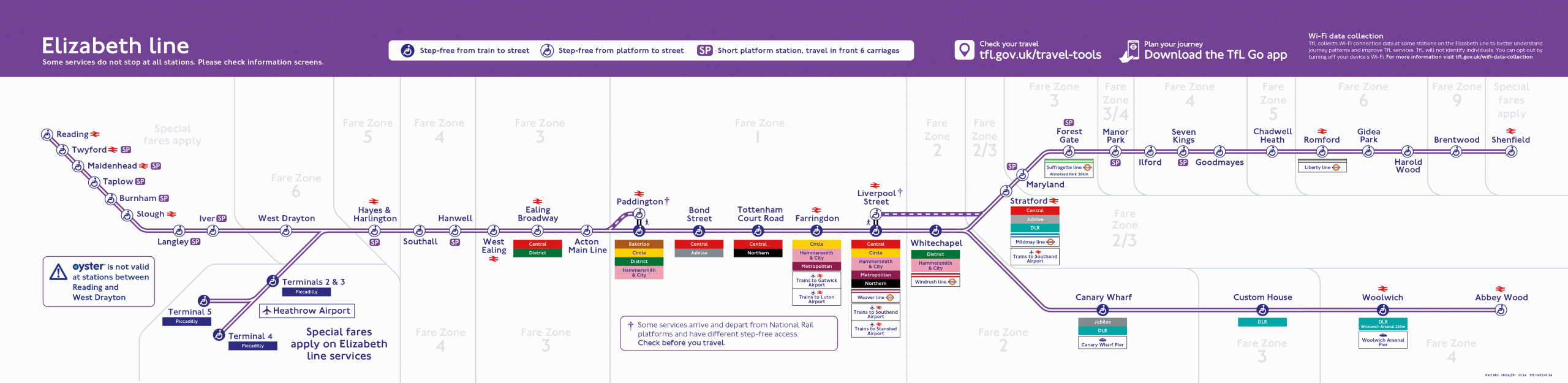
Spanning from Reading Station in Berkshire and drawing in a dedicated branch from Heathrow Airport en route, means that the area to the west of London is now much better served.
Meanwhile,, connections on the eastern side beyond Whitechapel reach as far as Shenfield in Essex with an additional spur servicing Abbey Wood via Canary Wharf.
Trips from Heathrow to the West End are cut to around 30 minutes, and from Abbey Wood to Tottenham Court Road to just 24 minutes. The state-of-the-art Elizabeth Line provides rapid, high-capacity, air-conditioned transport that drastically cuts commuter times.
Not surprisingly, this new Tube Line changes the game for living in the outer reaches, making the choice of home more affordable, and still be able to slide into the office in a reasonable journey time. Though it must be noted that there are reactions to this opportunity – for example, ‘a 10-minute walk to a station now commands a 15% rent premium.’
No gain, no pain, as they say, but ultimately the introduction of the Elizabeth Line has still made life more affordable and offers ‘leafier’ urban living within reach of the city.
Another force at play is the ongoing demand for hybrid working. Despite companies insisting on employees returning to work at the office over the last 12 months, many employees have continued to negotiate for a hybrid stance – three days in the office and two working from home. This is perhaps the happy medium for now, especially given the recent train and tube strikes tilting things in favour of home working. But this is a flexible feast, and one that will no doubt continue to fluctuate.
Where to live? In town or out of town?
According to the great and the good of London Property investors and commentators, the following areas are seeing particular activity this year.
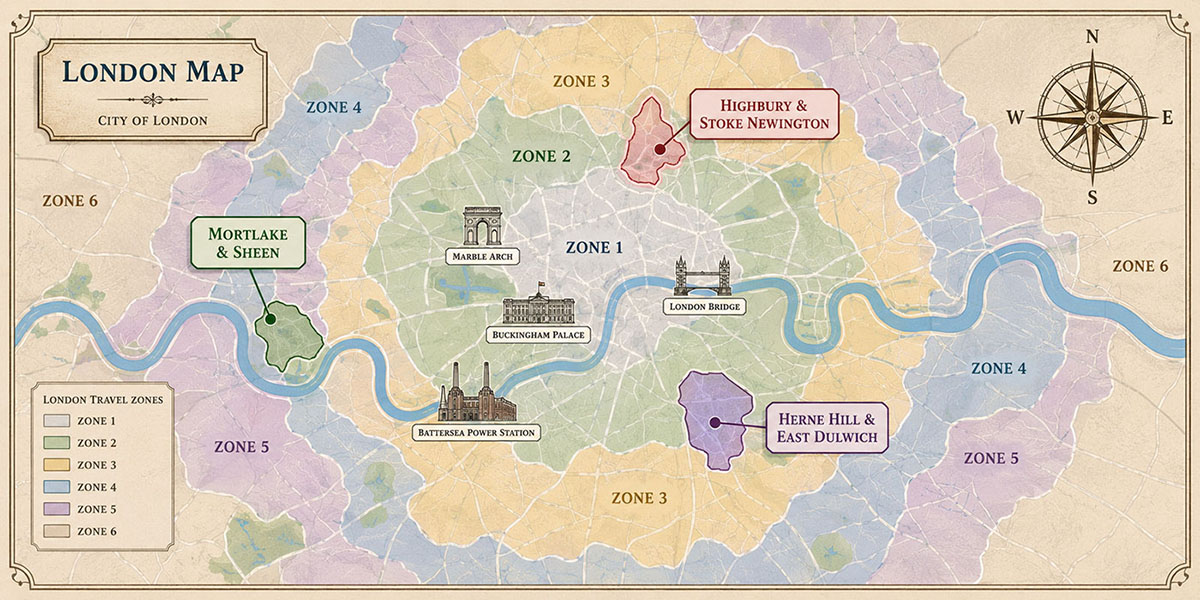
URBAN VILLAGES
These areas have apparently seen the sharpest rises on London’s property demand barometer this year. They cater to affluent renters (and buyers) moving slightly outward to capture more green space and community vibes without losing their city lifestyle.
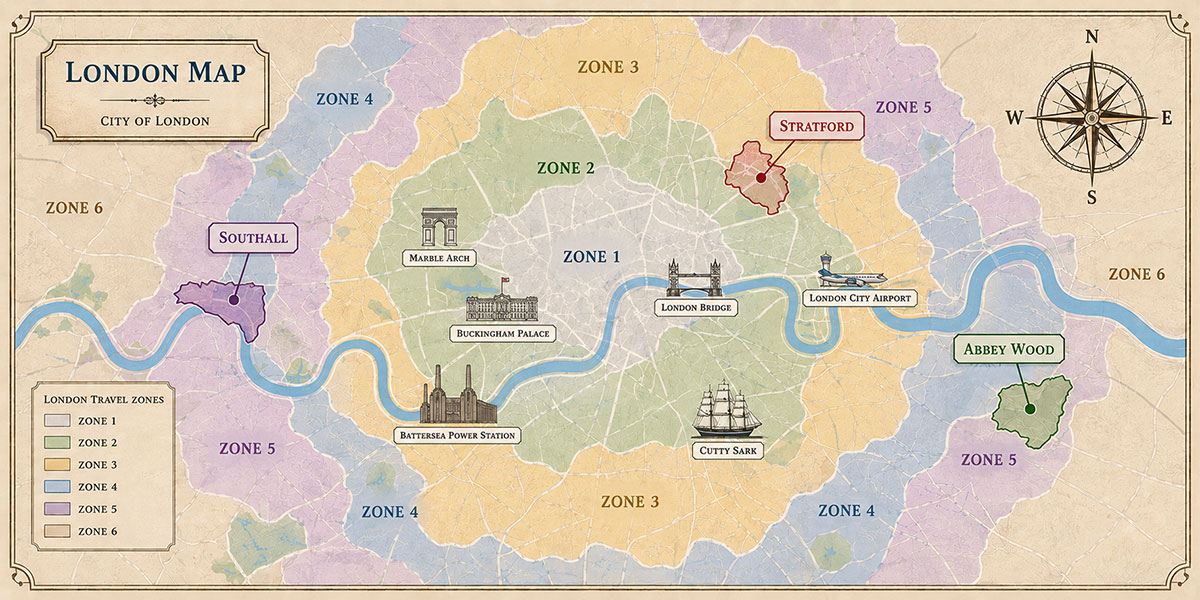
ELIZABETH LINE CENTRIC
If urban living paired with rapid transit into Central London is the priority, the outer eastern and south-eastern branches of this Elizabeth Line are the likely sweet spots of 2026.
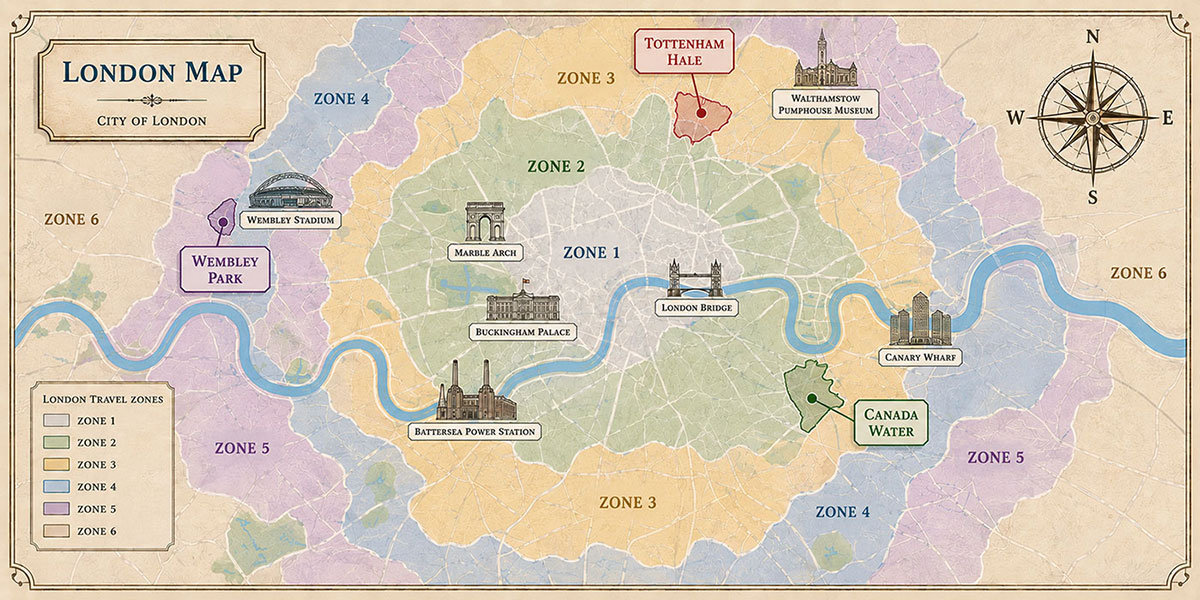
MODERN PURPOSE-BUILT REGENERATION HUBS
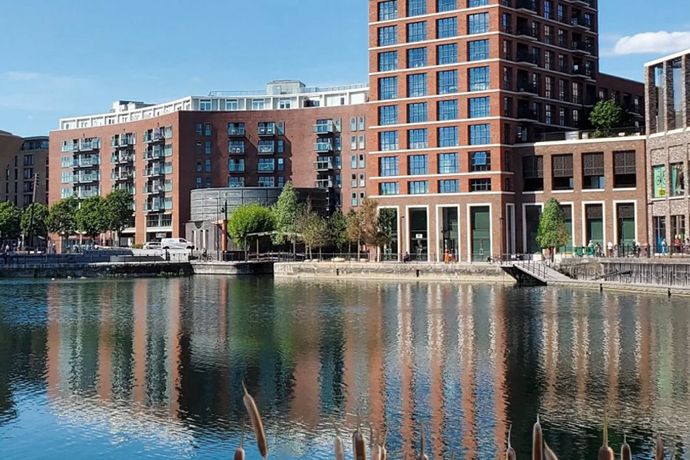
For renters seeking energy-efficient, vertical communities with all the bells and whistles (integrated gyms, co-working spaces, and concierge services), these master-planned zones are dominating the market.
London has always had its favourites and most desirable spots, but where you live is governed by what you can afford, the lifestyle the area offers (bustling metropolis or village-like), and transport links to all the essentials – offices, schools, amenities, airports and so on.
It is always interesting to observe the response to changes in demand due to the geopolitical, financial and economic climate, but also what happens over time. The introduction of the new Elizabeth tube line has clearly had a big impact extending the range of accessible homes to the East and West of the Capital, but so has the regeneration of run-down areas to include vibrant, hi-spec, all-amenities-included hubs and mini-cities.
Wherever your property is in the capital, MIH Property Management offers the Gold Standard of property management services. From heritage to high-rise, to London terraces to new state-of-the art luxury apartments, we are on the ball and ready to deliver optimum returns.
Sources