12/11/26
10 Years of MIH… and Counting

020 3637 7968
info@mihproperty.co.uk020 3637 7968
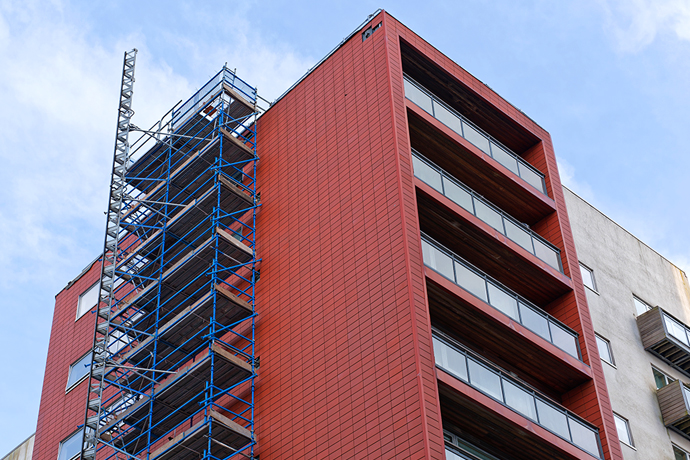
As a managing agent, MIH is aware of, and is sometimes involved in, cladding remediation processes for our clients.
Whether MIH is involved in a cladding remediation claim and implementation is subject to the extent to which we have been engaged by our client. MIH has many cladding remediation success stories behind it, including situations where we have assisted in bringing funding cases to bear and subsequently managing the remediation process.
» CLADDING REMEDIATION CASE STUDY
As a part of our overall property management responsibilities, we regularly attend meetings hosted by The Property Institute (TPI) of which we are paid member. TPI, for those not familiar with it, is an independent professional membership and standards organisation that supports and represents property managers in England, Scotland and Wales. In this respect it operates at the property management agency level rather than for individuals.
TPI is an important voice in Government consultations on leasehold reform, service charges, building safety and the regulation of managing agents, amongst other things. Collectively, managing agents feed into the TPI during meetings and on an on-going basis, which in turn is translated into action by the TPI. It is an important way for MIH to shed light on issues encountered via our hands-on experiences. It is a means to share challenges and outcomes, for the improvement and development of the greater industry in which we operate.
At the most recent Policy Hour meeting with TPI one of the key issues back on the agenda was Cladding Remediation in the shape of the new, elegantly titled, Building Safety (Remediation of Unsafe Cladding etc) Bill. Introduced on 14 October 2026, it passed second reading on 27 October 2026, and the Public Bill Committee is due to report by 8 December 2026.
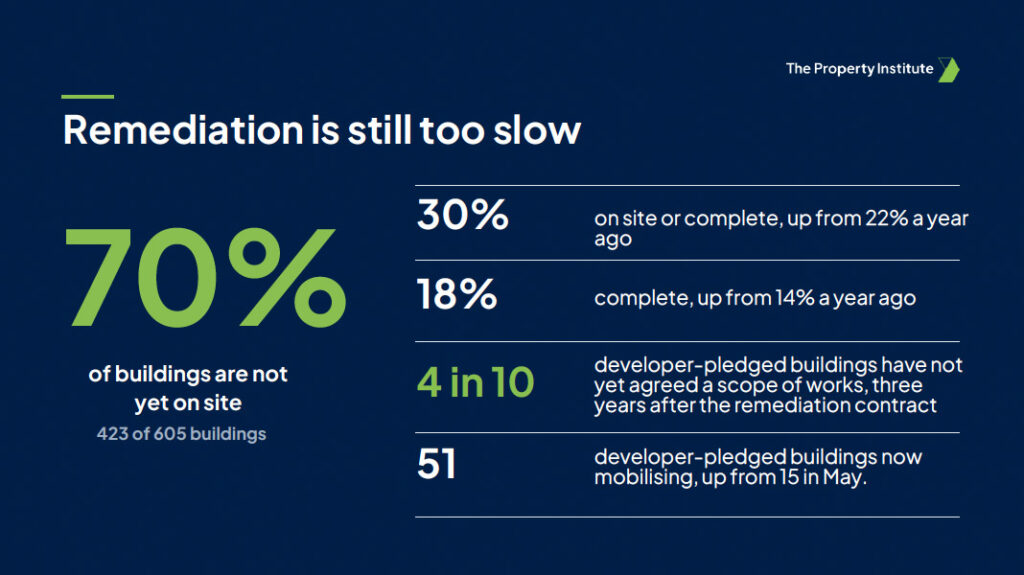
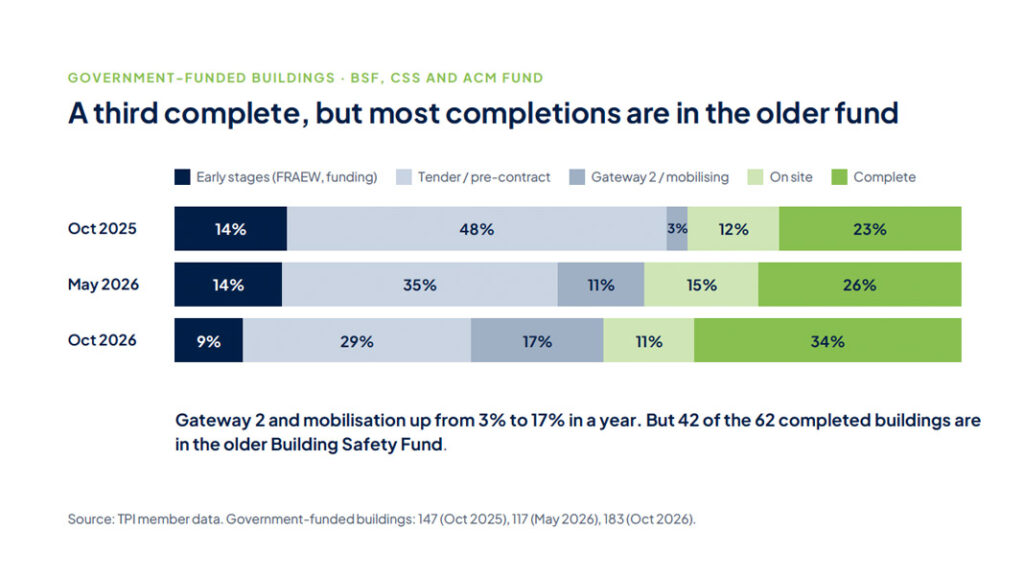
Since the Grenfell fire in 2017, the speed at which cladding remediation has progressed has been less than snails’ pace. For a matter so pressing and so important for the safety and well-being of so many people, it is startling how little headway has been made in the 9 years that have followed.
It’s a good idea to start with the agent’s own complaints process and its redress scheme. Then check:
The contract
If we look at the timeline, it exposes the political indecision, fragmented responsibility, funding disputes and legal wrangling that have repeatedly stalled progress. What began as an urgent response to a national tragedy became a complex exercise in identifying liability, securing funding and deciding who should ultimately foot the bill.
2017 – 2019: Grenfell and the first response
The Grenfell fire exposed the widespread use of dangerous cladding across the UK. The initial response focused on banning combustible materials in new buildings and funding the removal of Aluminium Composite Material (ACM) cladding from existing blocks. However, the scale of the problem was far greater, drawing attention to other unsafe materials and buildings largely outside the initial funding arrangements.
2020 – 2021: Funding widens, legislation begins
As the scale of the crisis became clearer, government funding expanded, eventually reaching £5.1bn, primarily targeting buildings over 18 metres. But the height threshold left many leaseholders in lower-rise buildings facing potentially huge bills. Meanwhile, questions over responsibility, funding eligibility and the extent of remediation continued to delay work.
2022 – 2023: Building Safety Act and developers pay
The Building Safety Act 2022 introduced leaseholder protections, placing greater responsibility on developers and building owners to fund qualifying remediation. In 2023, major developers were required to sign legally binding remediation contracts, committing to fix or pay for unsafe buildings they had developed. Enforcement, however, remained difficult.
2024 – 2025: The Remediation Acceleration Plan
Following the Grenfell Inquiry’s Phase 2 report in September 2024, the government launched its Remediation Acceleration Plan in December 2024. It sought to speed up stalled projects, identify missing buildings and hold developers to deadlines. Yet disputes over responsibility, access, assessments and regulatory approvals continued to frustrate progress.
2026: The Bill enters Parliament
After almost two years of waiting, the official government Bill was introduced in October 2026 and is now in deep scrutiny. The committee is due to report by 5pm on 8 December 2026. However, the Bill then still needs Commons report stage and third reading, all Lords stages, and Royal Assent. No date has been set for those yet!
In simple terms, the Building Safety (Remediation of Unsafe Cladding etc) Bill is intended to finally close the loopholes that have allowed unsafe buildings to remain unrepaired for years.
In very simple terms the remit is four-fold:
At the end of the day and in the words of the opening lines of the Bill itself:
The focus remains clear, the intention well meaning, but the effort quite strenuous for all involved. If you have been at the business end of trying to apply for a remediation grant, or are battling with local authorities for remediation work, speaking from experience, we know that it can be very tough going at the coal face. So, we only hope that the latest push will make the difference. There are still no guarantees, and further interventions could be needed to finally drive this through.
If you are living in a building that is still struggling with cladding remediation and would like support to bring this situation to a successful close, please get in touch with our team. We know the form and can support you and fellow residents in applications and completion of works.
Sources